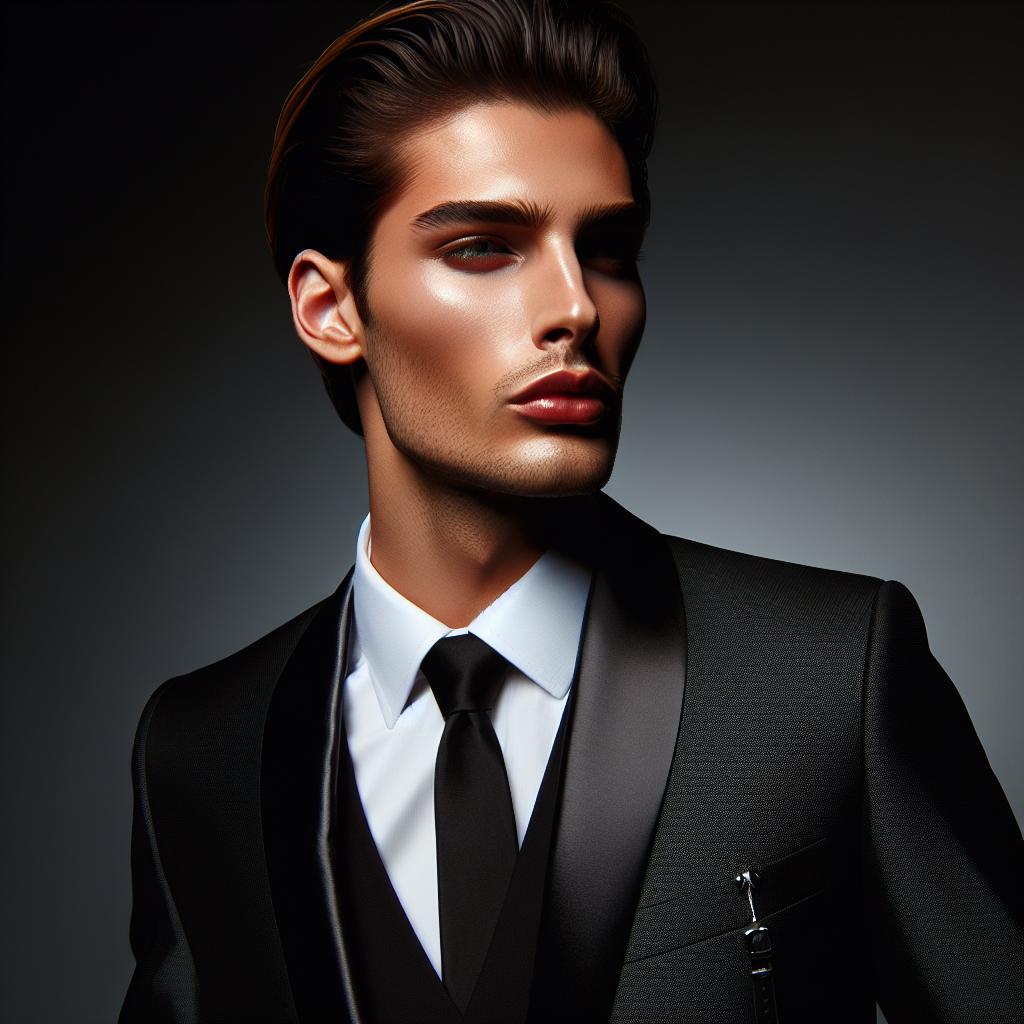
Drag Kings: The Underappreciated Heroes of the Drag World
It's Time to Give Drag Kings Their Due
When most people hear "drag performer," they picture a queen: feminine presentation, glamorous gowns, sky-high wigs, and flawless makeup. But drag has always been a two-sided coin, and the kings -- performers who use drag to explore and express masculine presentation -- are some of the most talented, creative, and chronically underappreciated artists in the business.
It's time to change that. Let's talk about drag kings: who they are, what they do, and why the drag world is incomplete without them.
What Is a Drag King?
A drag king is a performer who adopts an exaggerated masculine persona for performance. Just as drag queens use feminine presentation as their medium, drag kings use masculine presentation -- but that simple definition barely scratches the surface of what drag kings actually do.
Modern drag kings encompass an enormous range of styles and approaches:
- Classic kings: Performers who create specific male characters -- the suave gentleman, the tough guy, the rock star, the Southern charmer
- Gender-bending kings: Artists who blend masculine and feminine elements to create personas that challenge binary gender altogether
- Comedy kings: Performers who use exaggerated masculinity for humor, satirizing and deconstructing male stereotypes
- Hypermasculine kings: Artists who take masculinity to its most theatrical extreme, creating larger-than-life macho personas
- Soft kings: Performers who explore gentler, more nuanced expressions of masculinity
The History Nobody Talks About
Drag kings have been performing for as long as drag queens have. Women disguising themselves as men for performance (and survival) is documented throughout history, from Shakespearean theater to vaudeville to the jazz clubs of the 1920s and 30s. Yet the history of drag kings is vastly less documented and celebrated than the history of drag queens.
In the 1990s and 2000s, drag king culture experienced a significant boom, particularly in cities like New York, San Francisco, and London. King troupes and competitions flourished, creating a vibrant subculture that exists to this day.
The Talent Is Undeniable
Drag kings bring the same level of artistry to their craft as any other drag performer:
Makeup and Appearance
King makeup is a highly skilled discipline that involves contouring for a more angular appearance, creating the illusion of facial hair (from subtle stubble to full beards), and using prosthetics and shading to transform facial features. The technical skill required to create a convincing masculine appearance through makeup is on par with any queen's paint.
Performance
Kings are dynamic performers who bring physicality, humor, and emotional depth to their acts. Lip syncs, live vocals, comedy, burlesque, and character-driven storytelling are all part of the king repertoire. The best kings, like the best queens, create moments of genuine connection with their audience through the power of storytelling.
Costume and Fashion
From sharp suits to leather jackets to elaborate themed costumes, king fashion is its own world. Many kings are skilled at incorporating reveals and costume transformations into their acts.
The Visibility Gap
Despite the talent and artistry that drag kings bring to the table, they face significant barriers to visibility:
- Television: Major drag competition shows have historically excluded or underrepresented kings, limiting their path to mainstream recognition
- Booking disparities: Kings often report being paid less than queens or having fewer booking opportunities at the same venues
- Media coverage: Drag-related media coverage overwhelmingly focuses on queens, leaving kings underrepresented
- Audience assumptions: Many audience members don't know what a drag king is or have never seen one perform, creating a discovery gap
The irony is that drag kings are doing some of the most innovative, boundary-pushing work in drag right now. They're deconstructing masculinity, challenging gender norms, and creating performance art that is genuinely thought-provoking. The community's failure to give them equal billing is our collective loss.
How to Support Drag Kings
Supporting drag kings isn't just about being a good ally -- it's about making the entire drag ecosystem healthier and more vibrant:
- Attend king shows and mixed shows. Seek out events that feature kings alongside queens
- Follow kings on social media and engage with their content the same way you would for any performer you enjoy
- If you book shows, book kings. Venue owners and show producers should include kings in their lineups as a matter of course, not as a novelty
- Tip kings like you tip queens. The economics are the same -- performance is work, and work deserves compensation
- Challenge the narrative. When someone says "drag" and means only queens, gently expand the conversation
The Future Is Inclusive
The future of drag is one where all forms of gender-bending, gender-celebrating, and gender-defying performance are recognized and celebrated equally. Kings, queens, and non-binary performers all contribute to the rich tapestry of drag culture, and the art form is strongest when it embraces its full diversity.
If you're a drag king looking for visibility, claim your crown on GaggedDrag. This directory is for all drag performers, and we want to help fans discover the full spectrum of talent that drag has to offer. And fans -- next time you're looking for a show, specifically seek out a king performance. You won't regret it. Find shows near you and expand your drag horizons.
Looking for a queen in your area? Browse the directory or Claim Your Crown if you're a performer.