Tucking, Padding, and Body Sculpting: The Queen's Complete Guide
Tucking, Padding, and Body Sculpting: The Complete Guide
The magic of drag extends far beyond the face. Creating a convincing, show-stopping silhouette involves understanding how to shape and sculpt the body to match your drag vision. Whether you're going for a classic hourglass figure, an exaggerated cartoon silhouette, or something entirely your own, this guide covers the fundamentals of body work in drag.
The Art of Tucking
Tucking is the technique of concealing male anatomy to create a smoother, more feminine front profile. It's one of the most talked-about aspects of drag transformation, and it's also one of the most personal — different queens have different approaches based on their comfort level, their costumes, and their performance style.
Methods and Tips
- Gaff method: A gaff is a specialized undergarment designed for tucking. You can buy them from drag specialty retailers or make one from a waistband and a tube of hosiery. Gaffs hold everything in place comfortably and are the most popular method among working queens.
- Tape method: Medical tape or specialized body tape can be used to secure a tuck. This method gives the smoothest results, especially under tight costumes, but requires practice to apply correctly and remove safely.
- Compression wear: Dance belts, compression shorts, and shapewear can provide a tuck-like effect without the full commitment. Good for queens who prefer less aggressive tucking.
Regardless of method, comfort and safety are the priorities. Never use materials that irritate your skin, and if anything causes pain, stop and reassess your technique. There are plenty of resources and communities where you can ask questions and learn from experienced queens.
Padding: Creating Curves Where Nature Didn't
Padding is the art of adding volume to the hips, thighs, and rear to create a feminine silhouette. Some queens go for subtle, natural-looking curves. Others go for dramatically exaggerated proportions that look like a cartoon come to life. Both are valid — it depends entirely on your aesthetic.
Padding Options
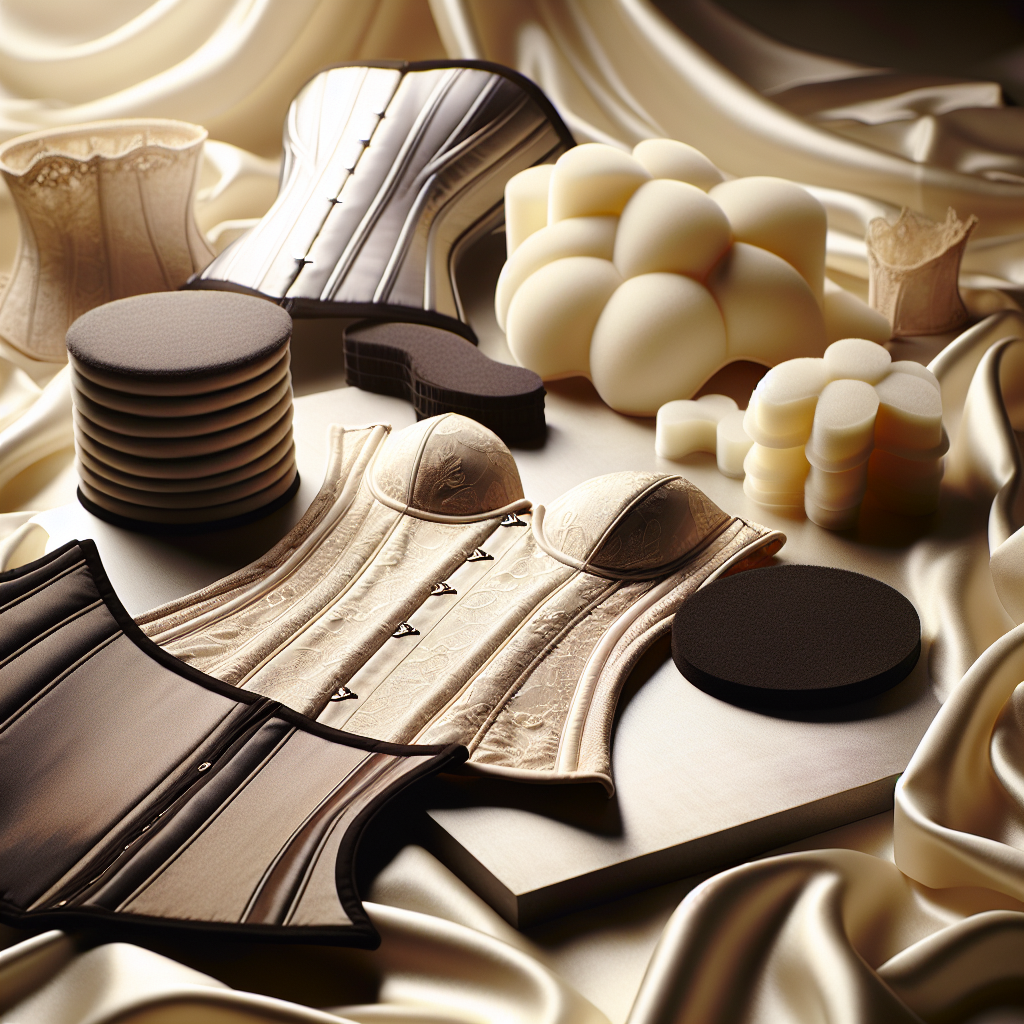
- Foam pads: The most common approach. Pre-made hip and butt pads are available from drag retailers. They're lightweight, breathable, and come in various sizes. You can also cut and shape upholstery foam to customize your silhouette.
- Padded garments: Bodysuit-style padding that's sewn into a garment for easy on-and-off. These are great for queens who want consistent padding without assembling a setup every time.
- DIY padding: Many queens create custom padding using foam, quilt batting, and tights layered together. This allows you to shape the padding precisely to your body and the look you want.
The Cinched Waist
Curves don't mean much without a snatched waist to contrast them. Corsets and waist cinchers are essential tools for creating that dramatic waist-to-hip ratio that defines a classic drag silhouette.
Steel-boned corsets provide the most dramatic cinching. Waist trainers and cinchers offer a less extreme effect but are more comfortable for long performances. Some queens layer both — a waist cincher under a corset — for maximum snatching.
"Your padding should work with your body, not against it. The goal is to create a silhouette that looks proportional and intentional, not lumpy." — Padding wisdom from a seasoned queen
Breastplates and Chest Work
Silicone breastplates have become increasingly popular and realistic. A good breastplate creates a natural-looking chest that moves and photographs convincingly. They range from basic shapes to incredibly detailed pieces with realistic skin texture and coloring.
For queens who don't want to invest in a breastplate, push-up bras filled with silicone inserts or even birdseed-filled balloons (a classic trick) can create a convincing chest. The key is matching the size to your padding so everything looks proportional.
Bringing It All Together
The best body sculpting looks intentional and cohesive. Your padding, cinching, and tucking should all work together to create a unified silhouette. Here's a typical order of operations:
- Tuck first — this is the foundation
- Add hip and rear padding
- Put on your corset or cincher
- Add your breastplate or chest padding
- Layer tights over everything to smooth the lines
- Check the silhouette from all angles before adding your costume
Every queen's body work routine is unique. Experiment with different combinations until you find what works for your body and your aesthetic. There's no single right way to do it — there's only the way that makes you feel confident and look sickening.
For more on building your complete look, check out our guides on wardrobe building and face contouring. And head to our Dragucation hub for a full library of drag tips and techniques.
Looking for a queen in your area? Browse the directory or Claim Your Crown if you're a performer.